Solo Travel in India: Beyond the Instagram Feed
A practical look at solo travel in India: missed buses, hostel reality, review scams, timing mistakes, and what actually changes when you start travelling alone.

Everyone glamorizes solo travel on Instagram. Nobody talks about standing at a bus stop at 12:15 AM, not knowing which bus to board because your "reliable" booking got cancelled at the last moment. This is what solo travel actually looks like.
If you are trying to understand solo travel in India before your first trip, whether that trip is to Goa, Rishikesh, or Manali, this is the version that matters more than the highlight reel. It is less about aesthetics and more about logistics, judgment, and learning how to move through unfamiliar places without losing the joy of travel.
Not everyone travels solo by choice. Sometimes it is because you do not have anyone to go with. Sometimes people are ready to commit to the idea of travel, but not ready to actually travel.
My interest in solo travel was triggered after watching Barakamon. In it, the main character travels to an offshore town after a setback, spends a few days there, and returns as a changed person. I watched it years ago and forgot about it in the day-to-day grind of life, but after my first solo trip I understood it. After that, I travelled a lot. It is like when we were young, we enjoyed the song, and now we understand the lyrics. Sometimes things do not change instantly. They stay in the background, and one day everything clicks.
I did a couple of solo trips this year. Things are smoother now than they were in the beginning, so I am sharing what has actually helped.
Buses, Trains, and Murphy's Law
In my first solo trip of the year, I had plans to take a bus and then catch a connecting train, with a two-hour layover. I had booked the bus a month in advance. One day before the trip, it got cancelled.
I booked another bus at three times the price from a big company, not just a random platform. Then they told me I would get the bus information only three hours before departure. I got nothing. I was standing at the bus stop and did not even know which bus to board. The real problem was simple: I could have missed the train. After multiple chats with customer support, I found out the bus would be late by two hours from the scheduled time. Somehow support arranged another ticket and I boarded on time, but that one incident changed how I think about transport forever.
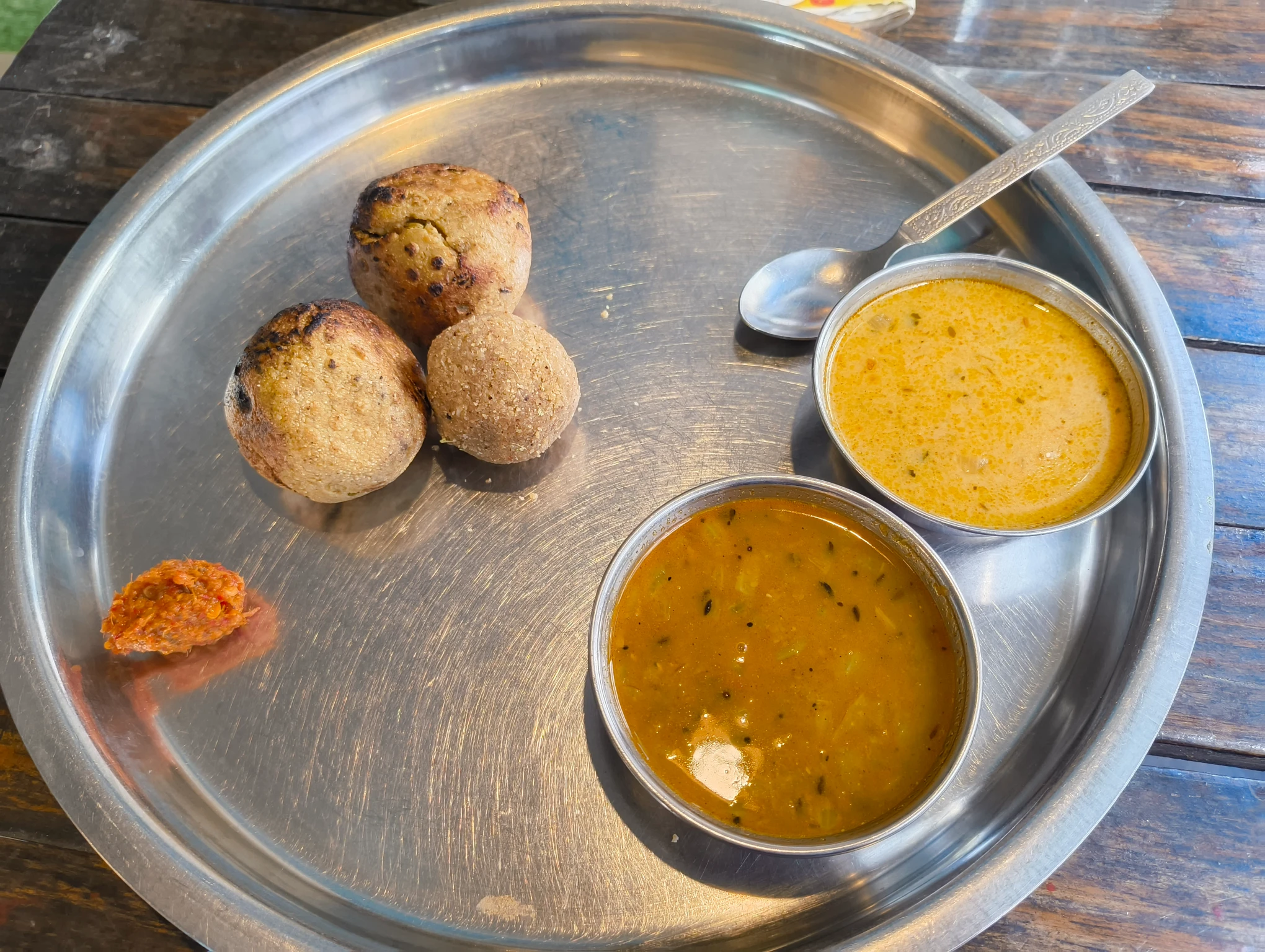
Trains are generally better for long travel, but a lot of places have connectivity issues. Some trains are also unpredictable enough to ruin your entire itinerary, so research before you trust the schedule. At peak times, when everyone is leaving, all transport modes get choked, so travel with large buffers if you do not want to lose half a day or miss something important.
Whenever choosing buses, choose the best bus you reasonably can. Do not try to save a tiny amount if the downside is wrecking the entire plan. From my experience, boarding from the start point or the bus office is best because someone is physically present to help you. Otherwise, it becomes tricky. Marshall numbers are busy, boarding spots change, and confusion compounds fast when you are travelling alone.
If your trip is tight, the problem is usually not "bad luck." It is fragile planning.
Where You Actually Sleep
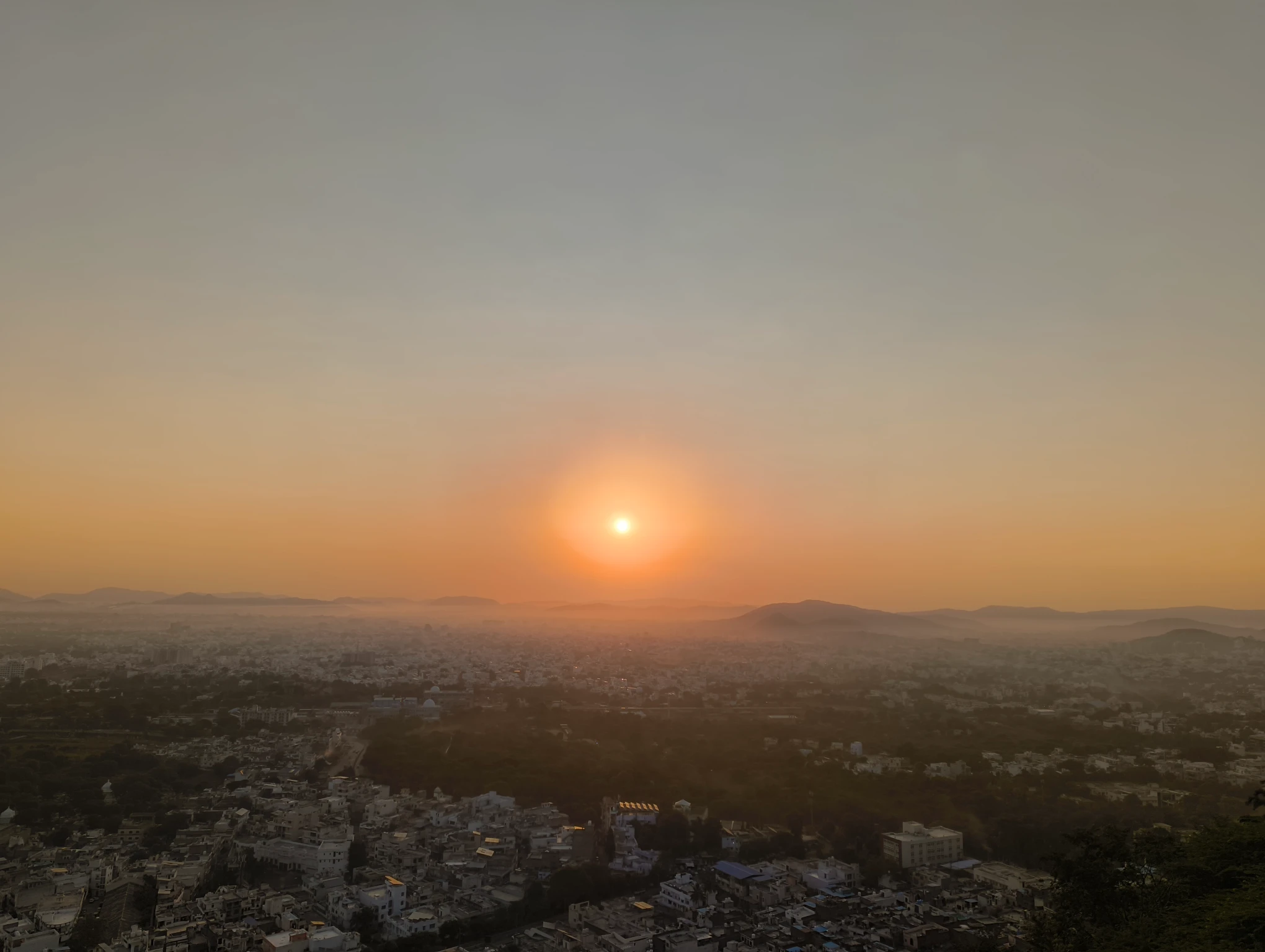
In terms of hostels, there are big chains like Hosteller, Zostel, and GoStops, which in an ideal world should give you a similar experience irrespective of location. That is rarely the case. You get some similarity, but the percentage varies drastically. Over time I learned these chains suffer from a simple problem: employees do their job, but they do not always care, and there is a huge difference between care and just doing your job.
From my experience, it is better to research and find a hostel with good ratings on booking platforms and Google, because the hosts at these places usually care more. They are often locals and it is their property. You can also save some money by booking directly through them instead of always going through aggregators.
One more interesting thing is that travel aggregators are mostly interface layers on top of central inventory systems, so you often see similar listings across a dozen platforms. Sometimes a room is available on one and not another because of business reasons, so check a few providers before assuming a place is sold out.
If possible, book a 4-bed or 6-bed dormitory. The 8-bed or 10-bed dorms generally have worse amenities, and their washrooms are often blocked. Ultra-budget rooms attract tourists more than frequent travellers. When you travel a lot, you learn that having some basics sorted helps you recharge much faster.
Hostel location matters too. I personally prefer to stay a bit away from the city, but not too far. You get the views without being swallowed by the daily chaos.
If you are there to meet people, try initiating a conversation instead of sitting there with full noise cancellation. One line can turn into a good conversation. The worst that can happen is that it goes nowhere.
Do not rely too much on hostel claims like "we do not allow groups of more than two in the same room" or "our vibe is amazing." Most of these claims only hold when the property is running at capacity. They are marketing lines first, lived reality second.
Ratings, Reviews, and Reality
Be aware of rating scams, especially on Google Maps. A lot of reviews are farmed by reputation agencies, and a bunch of them are AI slop. Ratings are useful as a first filter, but if you are making a stay, food, or transport decision from them alone, you are setting yourself up to be disappointed.
Google Maps is also not fully reliable for niche places. A lot of genuinely good spots in offbeat areas have poor ratings or barely any online presence at all. I have been to places that did not even have a proper nameplate, so expecting them to maintain a polished digital reputation is unrealistic.
If you are planning solo travel, read the reviews instead of worshipping the number.
The Art of Not Getting Scammed
If you are a UPI-only person, carry some cash anyway. A lot of outlets and some monuments still do not accept UPI, forget about cards. While exploring monuments, you can hire a guide, but for solo travel it is usually expensive, and you should not blindly trust every recommendation that comes with a commission incentive attached.
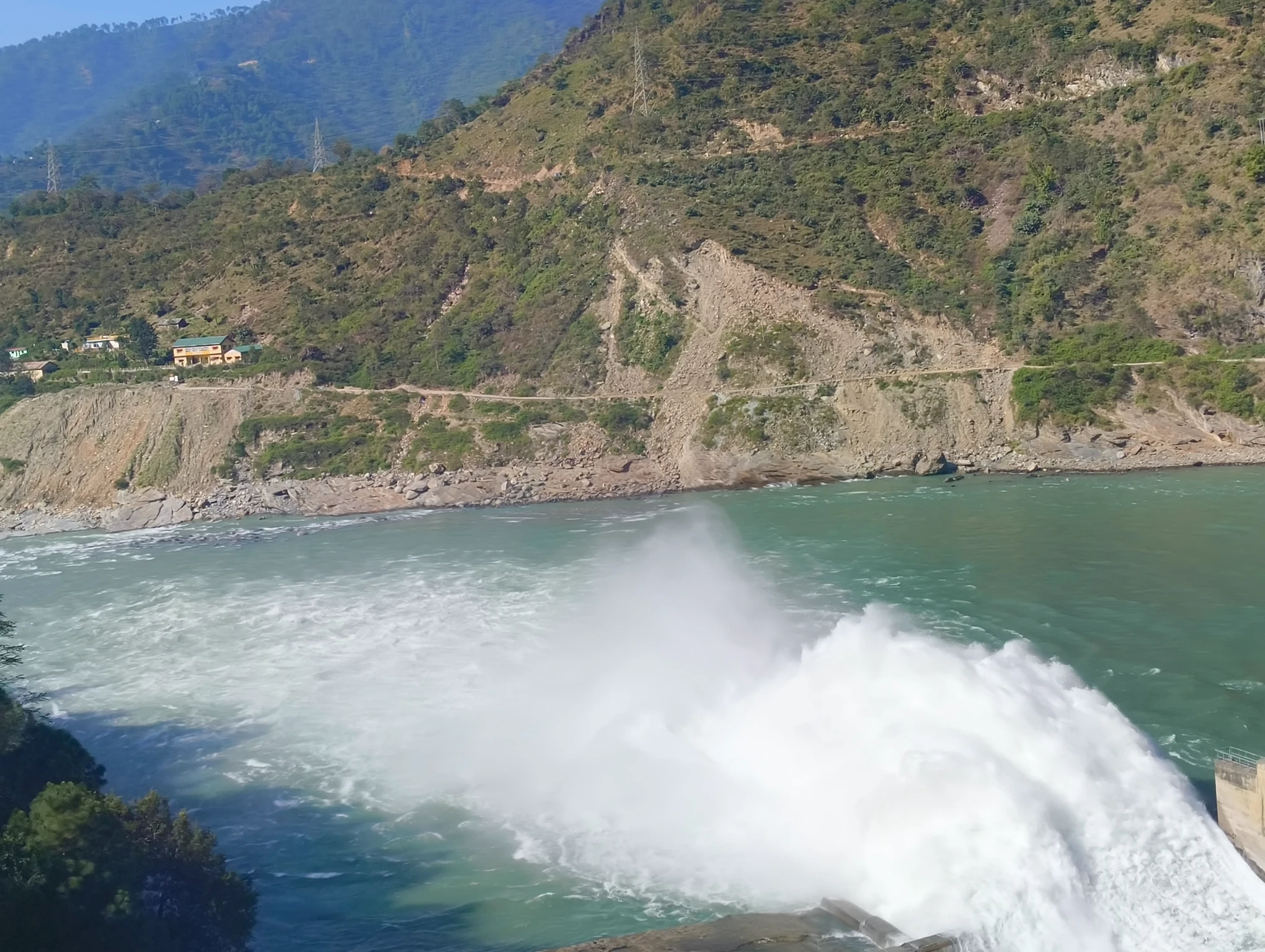
One common scam is the auto detour. The driver takes you to a shop and tells you it belongs to the tourism department or gives you some polished story that makes the place sound official. Then they casually ask you to "just have a look." Sometimes you buy out of impulse and regret it later. It is all commission.
Generally, the shops and food in the main market are a bit expensive, so it is worth exploring beyond the first tourist strip. In places like Varkala, the authentic food often is not in the tourist circuit near the beach. You need to go deeper into the old city to get the real thing, especially if what you actually want is proper Kerala food instead of the tourist version of it.
One more thing: eat what the place is actually known for. For example, if a dish belongs to one city but there is a famous shop selling it somewhere else, that does not automatically make it exceptional. This happened to me at a famous lassi shop in Jaipur. The lassi was good, but I have had better in Delhi and Punjab.
Timing Things Right
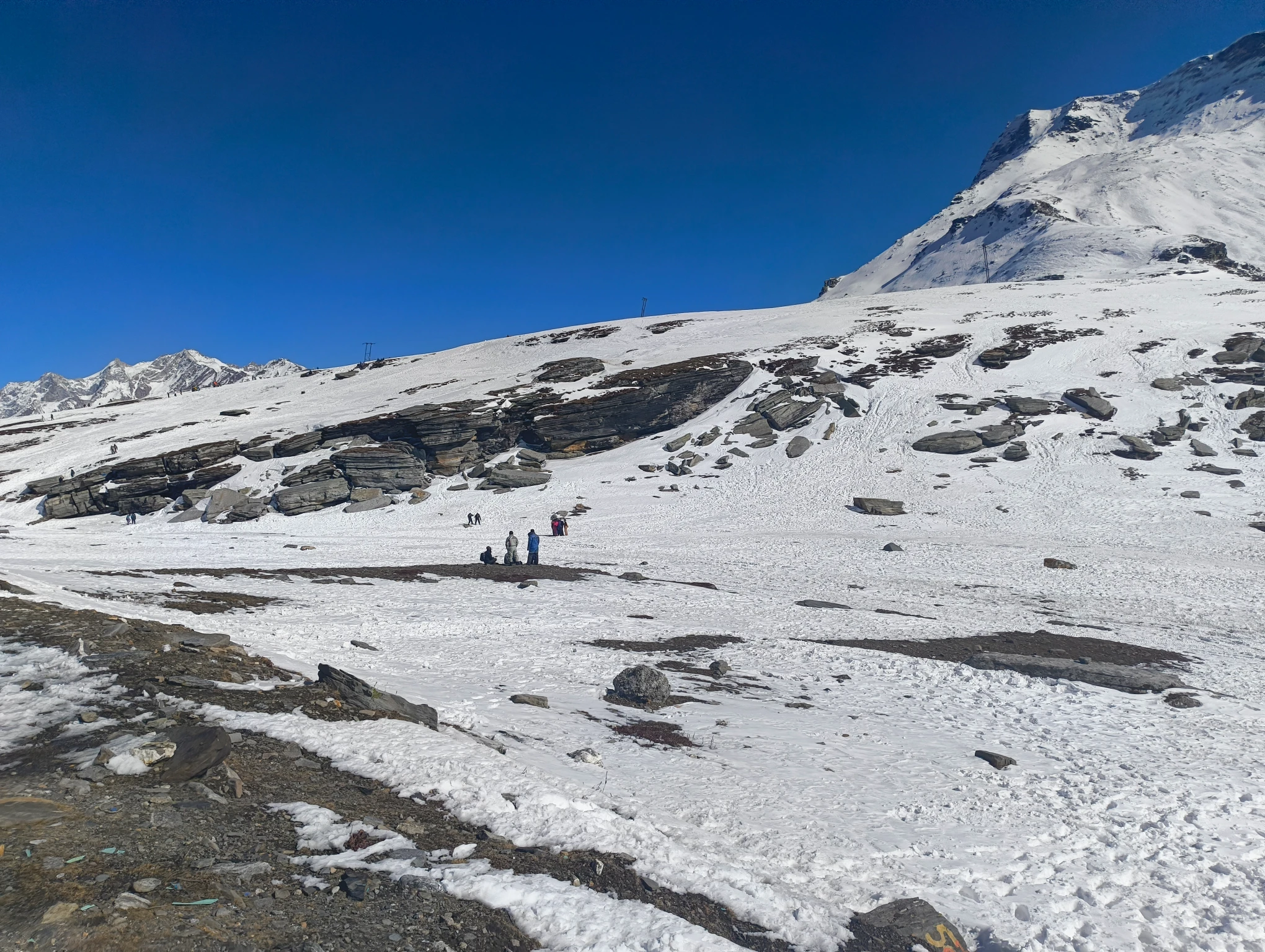
If there is a composite ticket and you love exploring monuments, buy it. It is usually cheap. But buying the ticket does not mean you need to squeeze every place out of it. You still need to know when to move on.
I was in Chennai, my phone was at 14 percent, my power bank was dead, and it was raining heavily. I had two options: go to Marina Beach and explore, or go to the bus stop, charge my phone, and wait for the bus. I chose the latter because with a dead phone, even basic navigation becomes harder. It did not mean saying no to adventure. It meant saying no to an avoidable mess.
Take monument timing seriously. Some cities are strict, others are lenient, but monument entry often closes 60 to 90 minutes before official closing time. Starting early also helps you avoid crowds, which changes the whole experience.
Do not travel to far-off places on your last day in a city, because you never know what traffic jam will trap you before a bus, train, or flight. Generally, I have found trains easier to track than buses, but with both, the real lesson is the same: build slack into the day.
One more obvious tip: if you are travelling somewhere, avoid eating at global chains you can have any time. Eat local food and explore the place through its cuisine.
Living in the Moment
A lot of times, it is better to click pictures now than later. Do not assume you will do it on the way back. Maybe you exit from another gate. Maybe you are too tired. If you can, take the photos in the moment. But do not obsess over them either. Look at a few, maybe, but do not sit there sorting, deleting, and optimizing while the trip is happening around you.
These days, a lot of people do not live in the moment while travelling. They live in screens or watch the scenery through screens. Capturing moments is fine, but sometimes the best thing you can do is look without recording anything.

One thing I love is simply strolling through cities. At first it feels difficult, but once you do it a little, you start loving it. Even after crashing on your bed exhausted, you want to walk again tomorrow. You learn and absorb things you would have missed on a bike or scooter. That is one reason I think solo travel changes you. It forces you to notice.
If you have not been somewhere before, just one request: please be respectful to locals and do not litter. It is basic, but it matters.
I also travelled to a few offbeat places, and if I share those experiences properly, they deserve a separate article. But I would recommend going to an offbeat place only after you have done a few popular destinations first, maybe places like Jaipur, Goa, or Rishikesh. Travel is not only about checking off a checklist. It is also about exploring. Be a traveller, not a tourist.
What Changed for Me
Some itinerary is always better than no itinerary. From my experience, a flexible rough itinerary is best. You know the places you want to go, and your logistics are better managed, but you still leave room for weather, mood, timing, and energy.
That middle ground matters. A lot of travellers either plan nothing and lose hours on the ground, or overplan every minute and drain the life out of the trip.
Travelling solo is cool, but not every place is meant to be travelled solo, so consider that before making plans. If you want to travel on a budget, do not sacrifice everything for the budget. Spending some money is fine if it protects the trip.
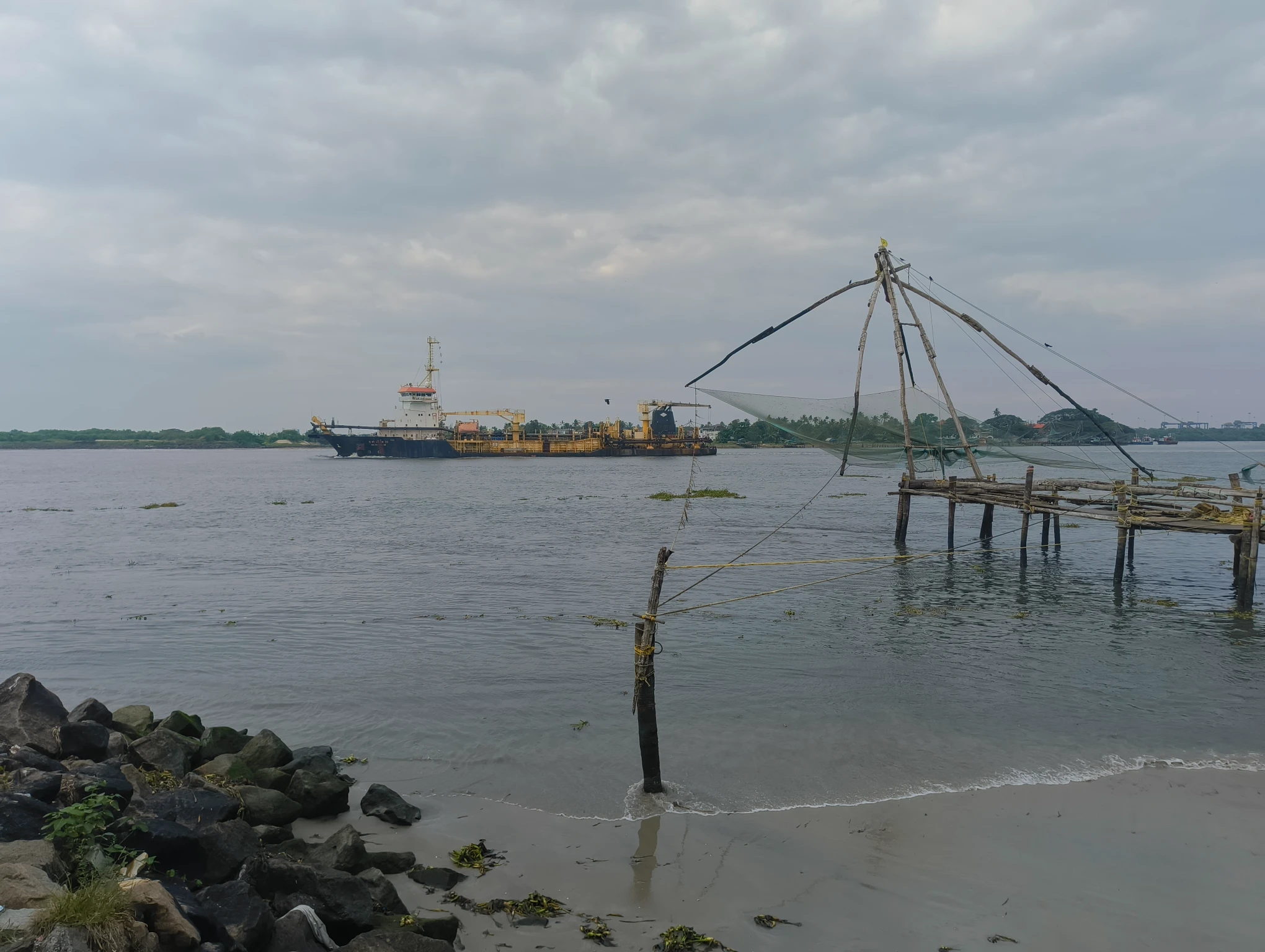
The best thing that happened from travelling a lot this year is that I changed a lot as a person, for good. I came back with fresh ideas and a wider perspective. I love building products, and just to make my travel easier, I built DawnTrail, a travel web app that creates itineraries and keeps planning in one place.
If you are planning a first solo trip and want a practical starting point instead of a blank page, you can begin with a structured itinerary for places like Goa, Rishikesh, or Manali, then adapt it to your own pace.
Next step
Turn this into a real itinerary
Use DawnTrail to generate a practical trip plan with places, food, hotels, maps, and timing — then edit it around your pace and budget.